
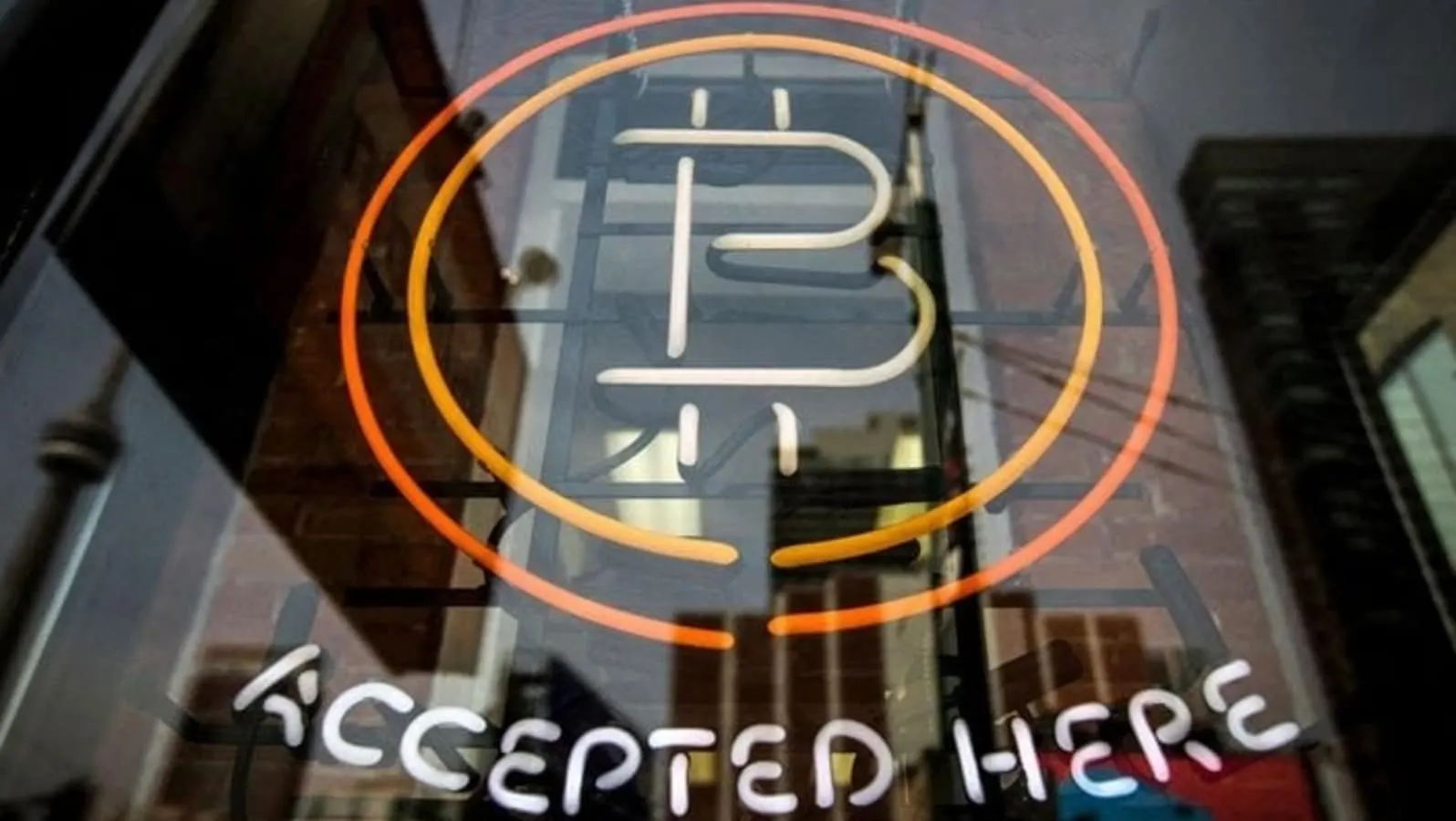
Bitcoin is beginning to reassert its dominance over challengers to its cryptocurrency crown.
Bitcoin is beginning to reassert its dominance over challengers to its cryptocurrency crown. Bitcoin has been beset by thousands of new “altcoin” competitors in 2021 – from solana and polkadot to litecoin and dogecoin – raising the prospect of rapid fragmentation in the crypto market. Still, bitcoin stemmed its loss in market share this month and started to regain ground, as shaken investors seek relative safety from crypto’s biggest player as they battle an aggressive Fed and talk of war in Europe.
Bitcoin’s share of the $1.68 trillion crypto market has risen to around 42% from 39% two weeks ago – the first time it has seen an increase since peaking at 46% in mid-October, according to data from CoinMarketCap which tracks 17,225 cryptocurrencies across 458 exchanges.
Market participants warn that it is too early to call a trend and note that while bitcoin has outperformed the industry, the entire crypto market has fallen this month. Nonetheless, some say the 13-year-old bitcoin could continue to benefit relative to its crypto rivals from the more cautious investment climate.
“If risk aversion persists, bitcoin will suck liquidity from crypto markets,” said Matthew Dibb, chief operating officer of Singapore-based crypto fund distributor Stack Funds.
While most cryptocurrencies still take inspiration from bitcoin’s price, some fund managers expect a gradual divergence, or decoupling, this year that will require more discrimination.
“While many casual market watchers were able to print a nice satoshi (bitcoin investment) last year just by watching their favorite assets rise, 2022 will likely require a much more cautious, nuanced, and active strategy,” said Jeff Dorman. , chief investment officer of digital asset management company Arca.
“Pockets of strength will emerge periodically, and catching some of those shifts will be hugely important to performance this year.”
SOLANA: CANARIA IN THE COAL MINE?
It’s been a torrid start to the year for cryptocurrencies as pissed off investors fled the risk. Still, bitcoin’s 20% decline in January — to levels around $37,000 — is the weakest among the top coins.
Its main challenger, Ether, the Ethereum blockchain coin, is down 34%.
Blockchain-connected cryptocurrencies used to build decentralized financial applications have lost further ground. Solana, which grew 100x in 2021, is down 47%, while polkadot is down 41%.
The selloff that began in December was less volatile, however, and saw lower trading volumes than bitcoin’s previous rout in May 2021, when it halved in nine days.
“A range between $30,000 and $40,000 for a few weeks or even months wouldn’t shock me,” said Michal Cymbalisty, co-founder of Chicago-based decentralized exchange Domination Finance, adding that fears of a long “crypto winter” were exaggerated.
Some analysts are calling solana the proverbial coal mine canary, given how quickly it rallied in 2021 and its recent outages.
Sometimes dubbed an “ethereum killer”, JPMorgan analysts have cited solana’s use in non-fungible tokens (NFTs) as a reason it has managed to gain market share at the expense of ether, while that BofA analysts said it “could become the digital visa”. asset ecosystem”.
Solana has a market capitalization of over $28 billion, making it the seventh largest crypto in the world, according to CoinGecko.
“Solana is a speculative asset within the crypto ecosystem, so if it increases, the appetite for other altcoins will also increase,” Stack Funds’ Dibb said.
He also warned that a further significant deterioration in investors’ risk appetite could hamper some cryptocurrencies.
“If there is another wave of risk, we could see the Nasdaq drop another 5% and cryptos could be crushed. Cryptos are not yet a store of value.”
.